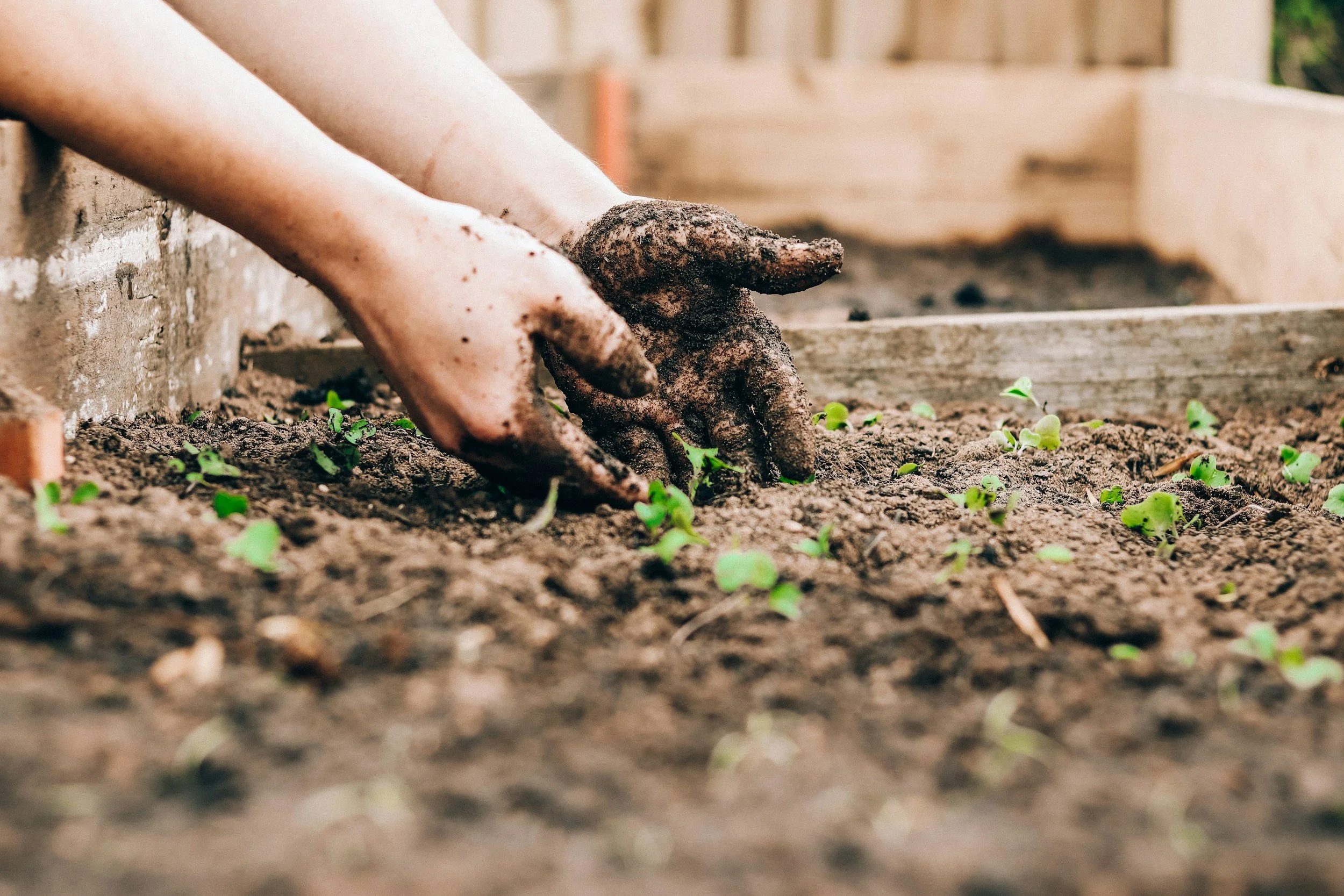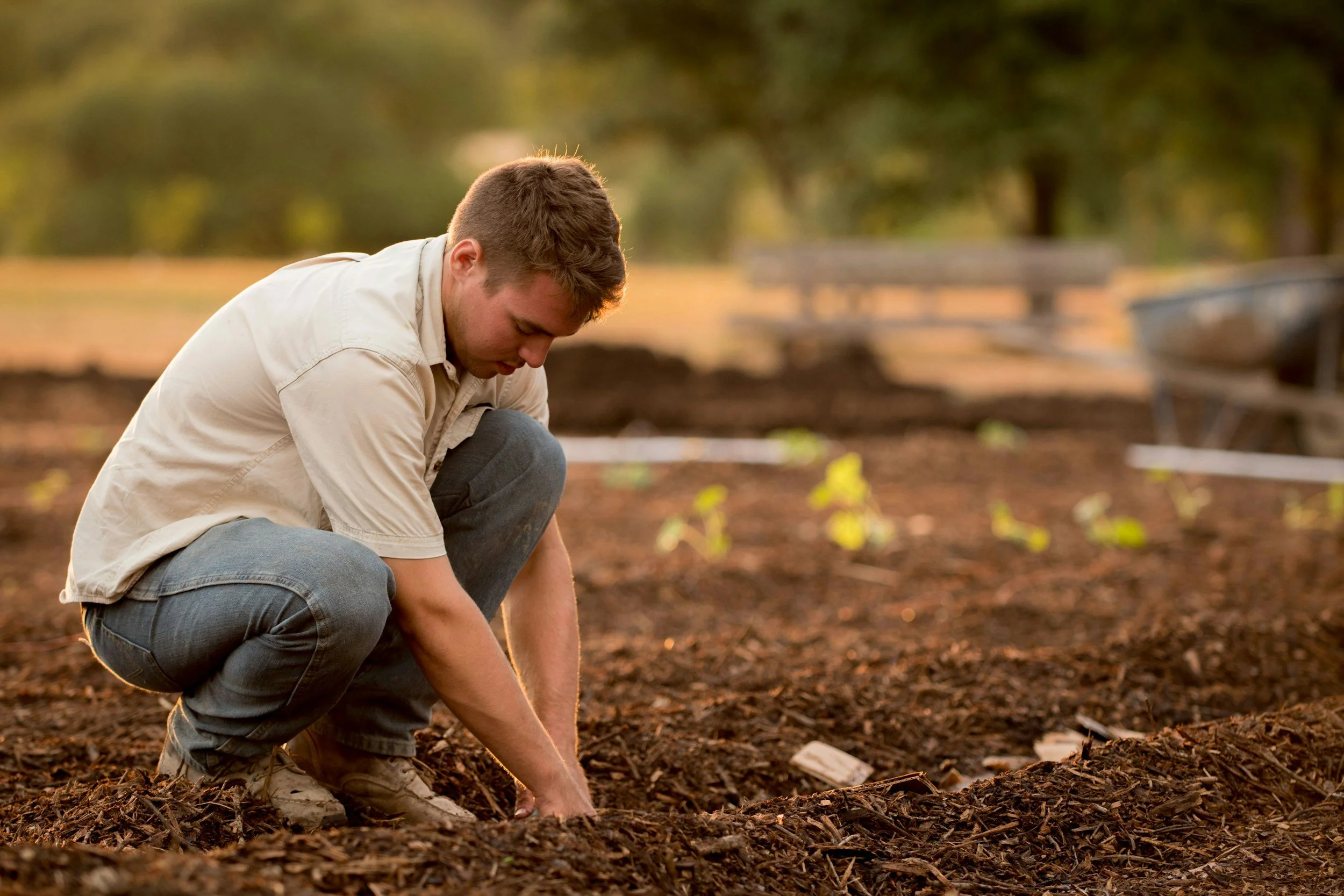
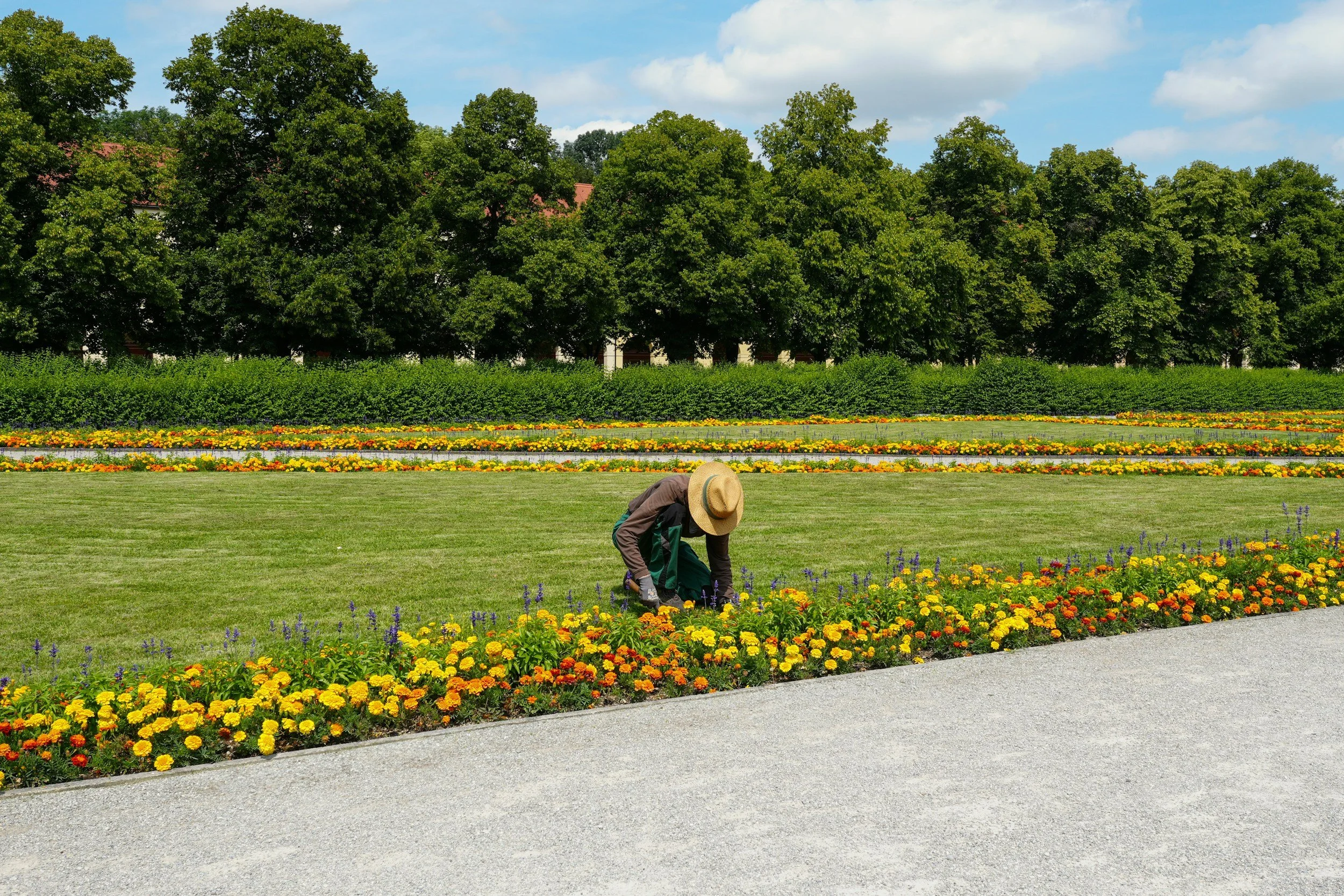
Spring is here, and for many of us that means getting back into the garden. Whether you enjoy growing vegetables, tending to flowers or have an endless amount of weeds sprouting up in your garden beds - spending time in your garden is a great way to stay active and spend time outdoors.
But after a few months of doing less over winter, it’s not uncommon to finish a big gardening session with an aching back, sore knees or tight shoulders.
Marshall Anderson, osteopath, shares his tips for enjoying your time in the garden this spring. We want you to avoid unnecessary pain or visits to your practitioner because of an injury sustained whilst gardening, and how to make gardening a workout!
Marshall has completed a lot of work in the occupational setting in heavy industries and will demonstrate that the best way to manage awkward postures is to alternate job roles, take breaks, to utilise equipment and use better body mechanics.
Here are three of the most common areas we see people develop pain when gardening, along with some simple ways to reduce your risk.
1. “Why does my back hurt after gardening?”
Gardening can be surprisingly demanding on your lower back. Digging, weeding, planting, lifting bags of potting mix, shovelling soil, spreading mulch, pushing wheelbarrows, mowing laws and repeatedly twisting (my list seems of job roles has extended), and it’s easy to see why your back might become uncomfortable.
One of the biggest problems isn't necessarily bending itself—it’s spending too much time in the same position.
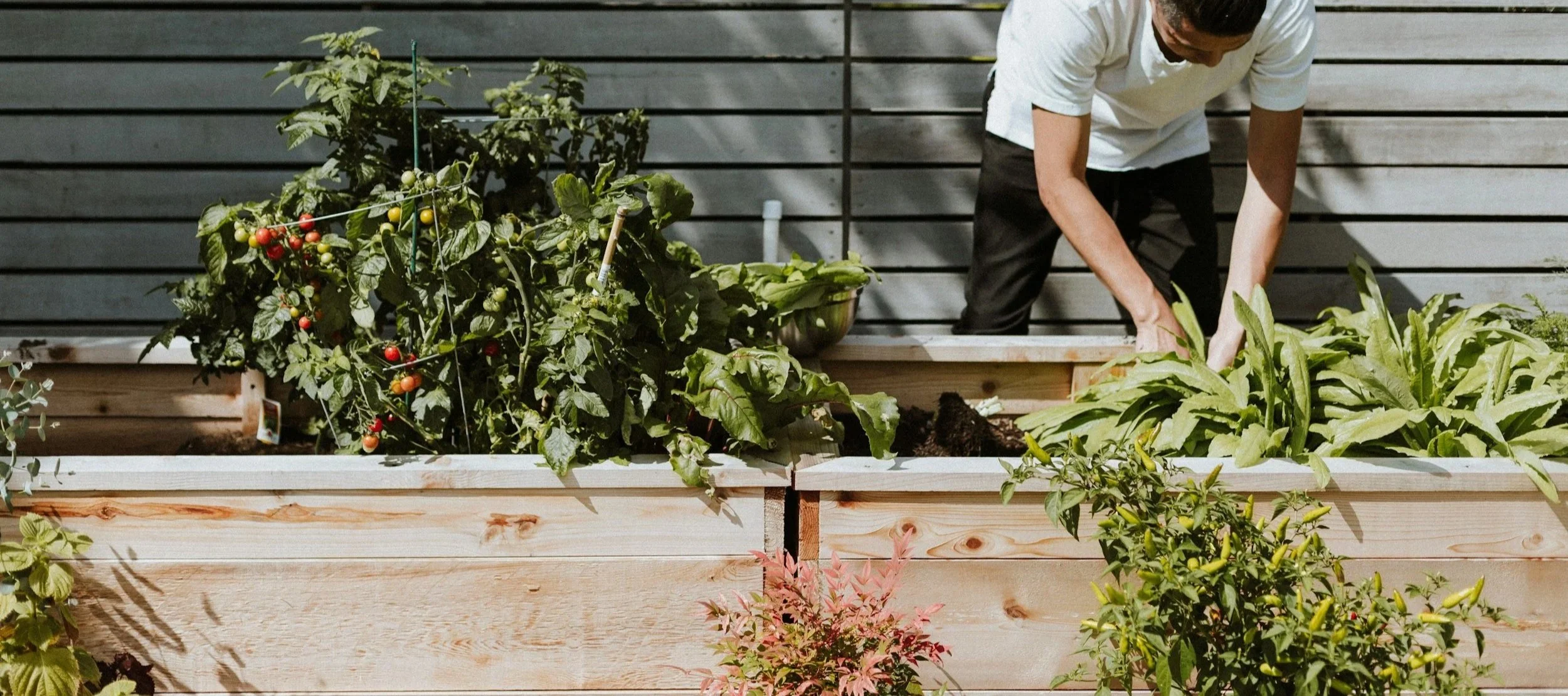
Try these tips:
Change positions regularly.
Rather than spending hours continuously bent over a garden bed, alternate between standing, kneeling, squatting and sitting where practical. Split-squatting is an ideal posture to take pressure off the low back when working below your knees.
Take movement breaks.
Every 15–20 minutes, stand up, walk around and gently move your back. You don't need a long break; even a minute or two can help.
Keep loads close to your body.
When lifting bags of soil, pots or other gardening equipment, keep the load close to you and avoid lifting while twisting.
Break heavy jobs into smaller tasks.
Instead of moving a large amount of soil all at once, make several smaller trips. Your back will generally tolerate a shorter duration of work much better than one large, longer effort.
Consider your garden setup.
Raised garden beds, long-handled tools and gardening stools can reduce the amount of prolonged bending required.
Most importantly, don't wait until your back is already sore before changing position or notice that if you are feeling discomfort - now is the time to change posture.
2. “Why do my knees hurt when I’m gardening?”
Gardening often involves positions that your knees may not regularly experience - prolonged kneeling, deep squatting and repeatedly getting up and down from the ground.
If your knees have degenerative changes or you have previously injured your knees, tasks that involve loaded flexion (bringing your heel towards your backside) will put excessive strain on the joint leading to pain or inflammation joint structures.

Try these tips:
Use a gardening kneeler or small stool.
Reducing the amount of time spent in a deep squat or kneeling position can make gardening much more comfortable.
Change positions regularly.
There’s no prize for spending the entire afternoon on your knees! Alternate between kneeling, sitting, standing and walking.
Use raised garden beds where possible.
They can significantly reduce the amount of time you need to spend working close to the ground.
Build your strength.
Strong quadriceps, glutes and calf muscles help your knees tolerate everyday activities such as squatting, climbing stairs and getting up from the ground.
Simple exercises such as squats, sit-to-stands, step-ups and calf raises can be useful ways to build this capacity.
Increase your gardening gradually.
If you haven't done much gardening recently, start with shorter sessions and gradually increase the duration. Your knees may simply need time to adapt to the increased workload.
Remember: some muscle fatigue after gardening is normal. Increasing pain that continues to worsen during the activity or persists afterwards, especially into your joints, is a sign that you may need to seek help.
3. “Why does my shoulder or neck hurt after gardening?”
Your shoulders and neck can also take a beating in the garden as we do need upper body strength as well..
Digging, raking, pruning, pulling weeds, shovelling and reaching overhead can all involve repetitive movements, particularly if you're working in one area for an extended period.
Fatigue can also change how we move. As our muscles tire, we often start to compensate by shrugging our shoulders, reaching further or using less efficient movement patterns.
Try these tips:
Keep tools and equipment within easy reach.
Avoid repeatedly stretching or reaching to the end of your range - when lifting keep the load close to your chest and your shoulder blade back.
Be careful with prolonged overhead work.
If you're pruning trees or working above shoulder height, take regular breaks and alternate tasks where possible. Be careful when using hedge trimmers above shoulder height and take regular breaks when completing, or even spread this task over multiple days.
Alternate activities.
Rather than spending an hour pruning, followed by an hour of digging, try rotating between different tasks. This changes the demands placed on your body.
Use the right tool for the job.
The length and weight of your tools can make a significant difference. A tool that allows you to work in a more comfortable position may reduce unnecessary strain.
Build shoulder and upper-back strength.
Exercises such as rows, shoulder raises and other strengthening exercises can help improve your capacity for repetitive gardening tasks.

Five simple rules for pain-free gardening
You don't have to completely change the way you garden. Instead, think about managing your workload and giving your body a chance to adapt.
1. Warm up before you start
You don't need a complicated stretching routine. A few minutes of walking, gentle squats, shoulder movements and general mobility can be enough to get your body moving before you start.
2. Change positions regularly
Avoid spending long periods in one position. Your body generally responds well to movement and variety.
3. Break big jobs into smaller tasks
Gardening can be deceptively tiring. Instead of trying to finish everything in one session, spread larger jobs across several days.
4. Use the right equipment
Kneelers, stools, raised garden beds and long-handled tools aren't signs of weakness—they're useful ways of modifying the demands of a task.
5. Listen to your body's warning signs
A little muscle fatigue after a busy day in the garden is expected. However, if pain is progressively increasing, changing the way you move or continuing to worsen after you've stopped, it's worth taking notice.
The bottom line
Gardening is exercise—and like any form of exercise, your body needs time to build up its tolerance.
If you've spent much of winter doing less, don't expect your body to immediately tolerate several hours of digging, lifting, kneeling and pruning. Start with shorter sessions, vary your positions, take regular breaks and gradually build up your workload.
And if you're experiencing persistent or recurring pain when gardening, don't assume you simply have to put up with it. An osteopath at Bodyfocus can help identify what may be contributing to your symptoms and develop a plan to improve your strength, mobility and capacity so you can get back to doing the things you enjoy.
Happy gardening! 🌱