Shockwave Launceston

Tennis Elbow (Lateral Epicondylitis): Common Questions and Practical Management

What is tennis elbow?

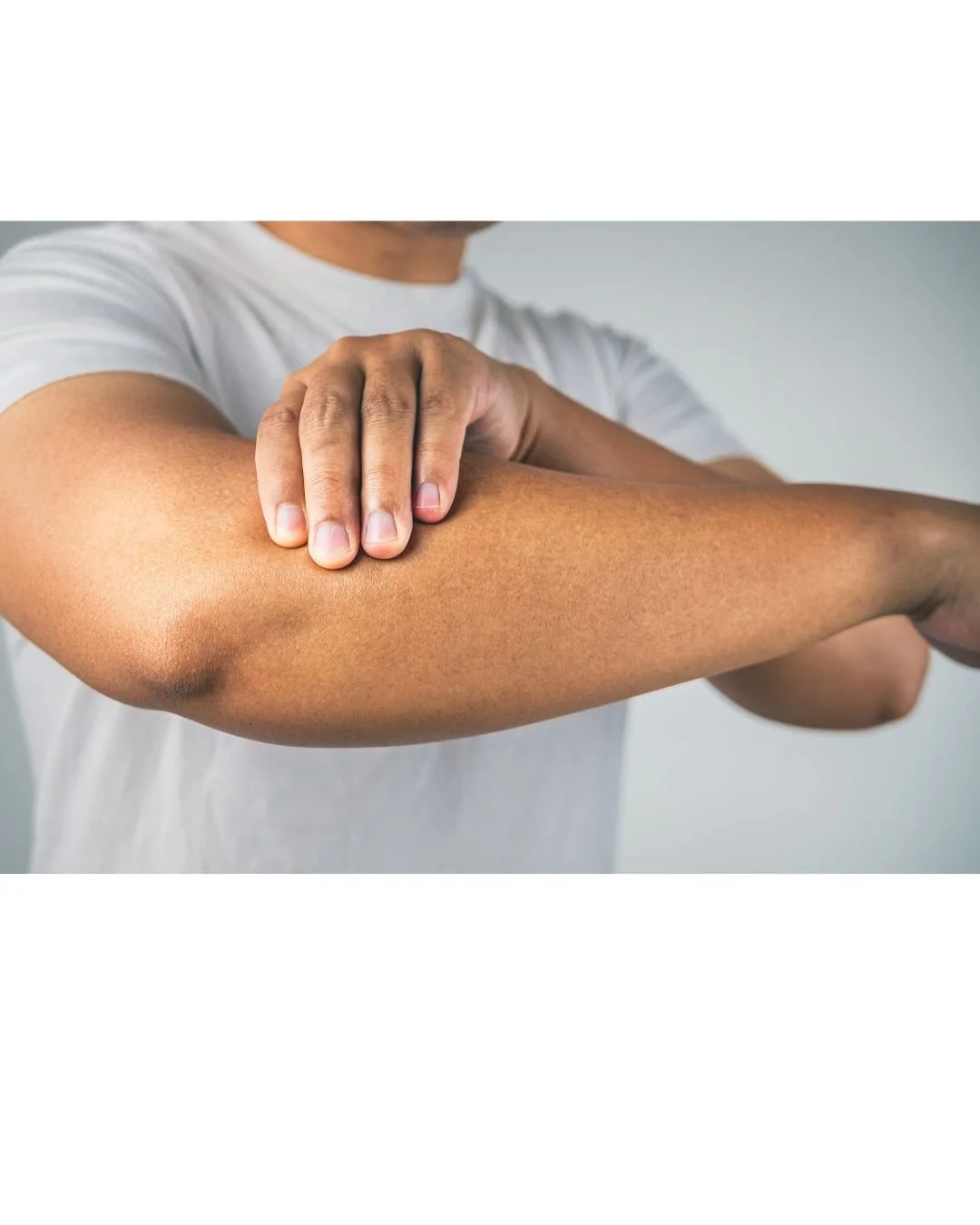
Tennis elbow is one of the most common causes of outer elbow pain — but despite the name, most people who develop it don’t play tennis! Tennis elbow is a very painful musculoskeletal condition of the elbow that is generally known as lateral epicondylitis. However, research indicates that it is not an inflammatory pathology and it should be classified as a tendinopathy, which is more a long-term tendon dysfunction.

This blog answers the five most frequently searched questions about tennis elbow and explains current evidence-based management, including the use and benefits of shockwave therapy.

1. What causes tennis elbow and who gets it?

Tennis elbow occurs when the wrist extensor tendons are repeatedly overused. This results in overload of wrist extensor muscles that can form small tears (micro tears) where the extensor tendon attaches to the lateral epicondyle.

This can happen with gripping, lifting, or repetitive forearm activities. It affects men and women equally, generally aged 30–50 years old, and is particularly common in manual or repetitive-hand occupations such as builders or boilermakers/welders, as well as recreational sporting enthusiasts who use racquets or bats.

At Bodyfocus, we see this condition commonly presented to our Launceston clinic during certain seasons of the year; most commonly in winter from cutting and stacking firewood, and in spring from gardening.

Tennis elbow is more commonly a cumulative type injury, where the injury occurs as  a consequence of relatively long-term exposure to musculoskeletal load, where the mechanisms of injury are as a result of an accumulation of mirco-damage at a rate which exceeds the tissues capacity for repair. Occasionally, tennis elbow can be from an acute injury where the immediate exposure exceeds that tissue's capacity to load or force.

2. What are the symptoms and how is it diagnosed?

Common symptoms include:

    • Pain, tenderness, or a burning sensation over the outside of the elbow and outside of the forearm

    • Weaker grip strength

    • Symptoms are often worsened with increased forearm activity, even innocuous tasks like opening a jar, pouring from a kettle, or shaking hands.

Diagnosis is generally clinical, based on the patient's history, symptoms, and an examination that involves palpation and active resisted extension testing of the wrist and fingers. Imaging, such as ultrasound or MRI, isn’t usually required and is only recommended for persistent or atypical cases.


3. How long does it take to recover?

Recovery varies — some people improve within weeks or months, although many people experience symptoms for 6–12 months or longer. Unfortunately, tennis elbow is a condition that can take an extended period to improve, and become chronic in nature (>3 months).

The key to recovery is getting your elbow pain assessed early, addressing the cause of overload, and following a structured plan provided by your osteopath at Bodyfocus to avoid the condition becoming chronic.

4. What conservative treatments work best?

The best evidence supports an active, exercise-based approach focused on progressive tendon loading combined with manual therapy, education, ergonomic advice, and temporary activity modification.

  • Activity modification: Avoid or adjust aggravating tasks where possible.     

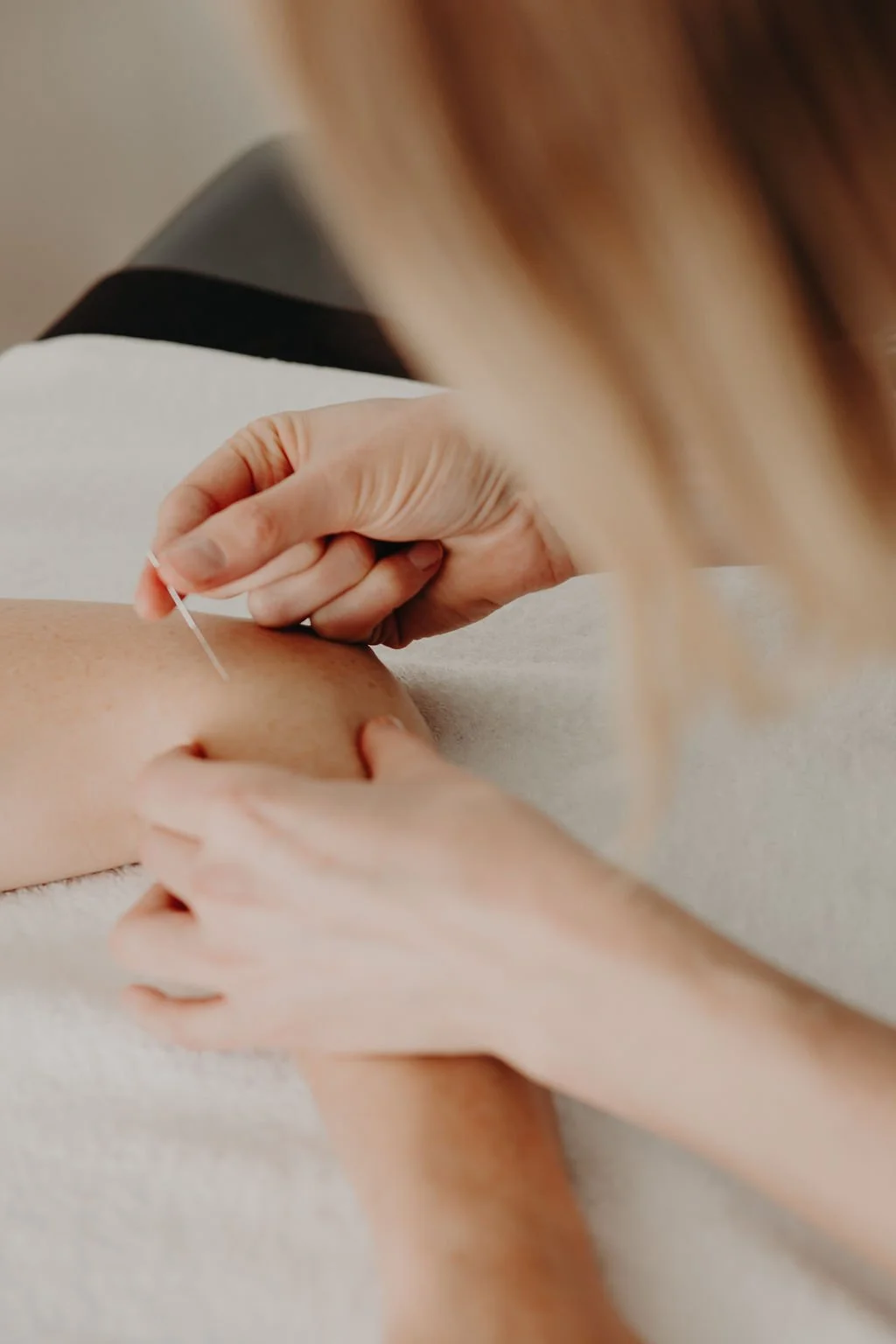
  • Manual therapy, such as soft-tissue massage, dry needling, and stretches may assist with mobility and short-term pain relief.

    • Massage assists to increase blood flow to the affected tendon to promote the body's natural healing response and can relieve the tension from the muscles placed on the tendon and its insertion.

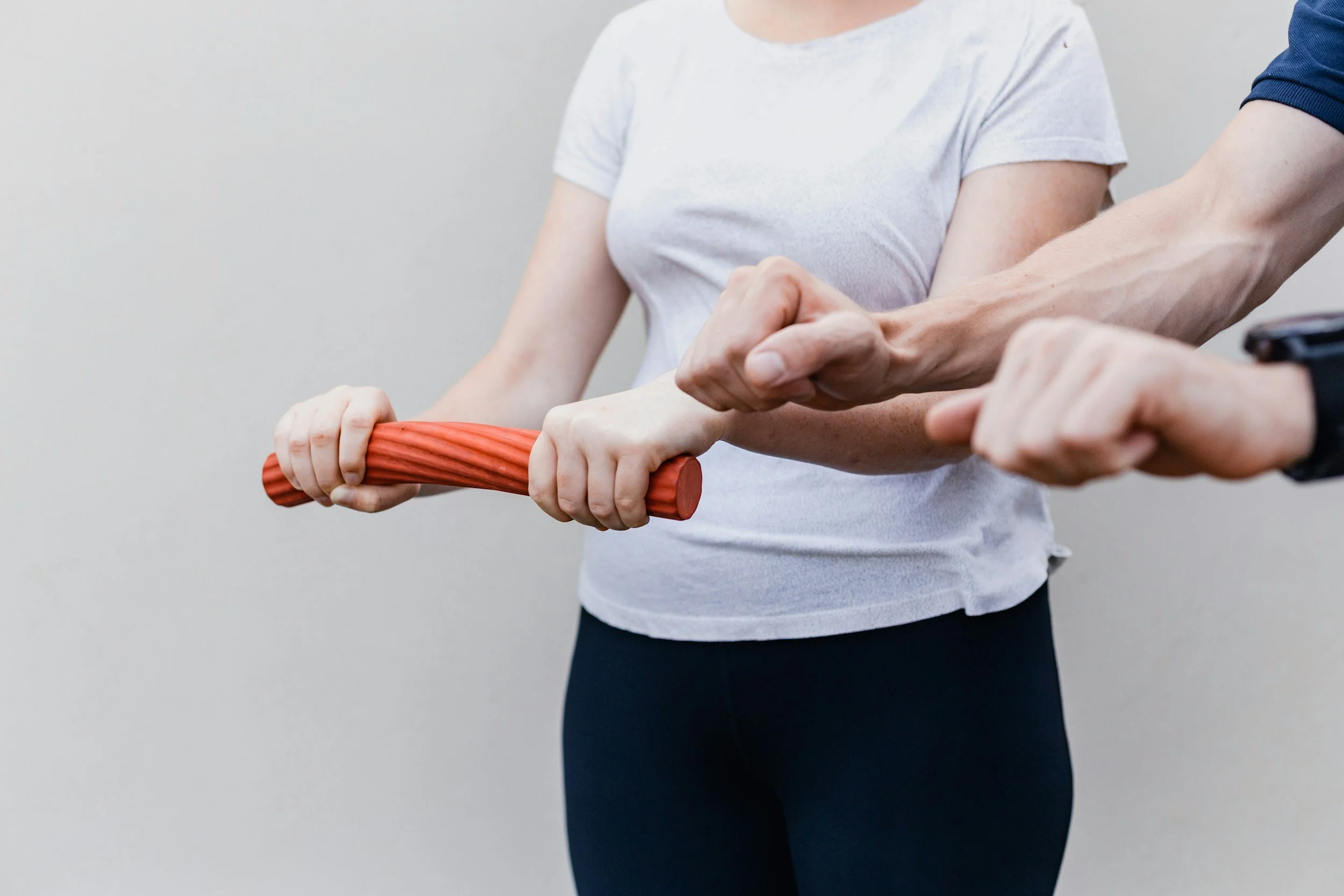
  • Isometric loading: Short holds of wrist extension can reduce pain in early stages.

  • Ice: applying ice initially after an injury or after activity where you get an increase in pain. 

  • Heat: alternatively, applying heat to the affected area in chronic conditions can help with pain and improve blood flow.

  • Progressive strengthening: Gradually increasing resistance through eccentric and heavy slow resistance exercises.

  • Bracing: A counterforce strap may reduce tendon load temporarily when performing tasks that aggravate your pain.

  • Your osteopath will also assess mobility of your wrist, elbow and shoulder, as well as your neck for possible referred pain.

  • Self massage with application of natural anti-inflammatory products such as Medirub.
5. Is shockwave therapy effective for tennis elbow?

Extracorporeal Radial Shockwave Therapy (RSWT) is a non-invasive treatment that delivers acoustic pressure waves to the affected tendon. It is more helpful in chronic cases and we see good results at Bodyfocus for tennis elbow that has been present for >3 months.

How it works

These non-invasive shockwaves activate the body’s self healing process to reduce pain by: 

  • Increasing metabolic activity through improved blood circulation and formation of new blood vessels 

  • Nurtures and accelerates the healing process through cell regeneration and collagen synthesis 

  • Stimulates nerves to help decrease sensitivity in the area of pain 

  • Break up calcification within tendons which is reabsorbed by body 

  • Also has an analgesic effect immediately after treatment by depleting Substance P, a neurotransmitter associated with pain

When it’s appropriate

  •  For chronic or persistent pain (>3 months).

  • Safe - RSWT is painful during the treatment which lasts for approximately 5 minutes, however, there are generally no-adverse side effects.

  • When patients prefer to try a non-invasive and drug-free adjunct alternative to injections or surgery.

SWT vs Cortisone vs PRP injection

Cortisone

  • Benefits - quick, short-term pain relief. 

  • Concerns - benefits are temporary, and many studies show that cortisone injections can weaken the tendon tissue and delay actual healing, leading to higher rates of recurrence in the long-term.

SWT

  • Benefits - completely non-invasive, more effective in chronic cases. Promotes the body's natural healing properties.

  • Concerns - takes 3-5 sessions, generally you will know if it is going to work after 2 sessions.

PRP injections

  • Benefits - improved long-term outcomes compared to cortisone injections. Promotes tissue regeneration and healing

  • Concerns - requires drawing blood, increased costs, pain at injection site, takes 4-8 weeks to see benefits.

Evidence from research - Journal of Orthopaedics, 2005

“Combining RSWT with traditional physical therapy is superior to conventional physical therapy and significantly reduces pain intensity caused by tennis elbow, increases maximal grip strength, and improves upper extremity function and work performance”.   

  • 77% of patients had improvement for tennis elbow (Journal of Orthopedics, 2005) 
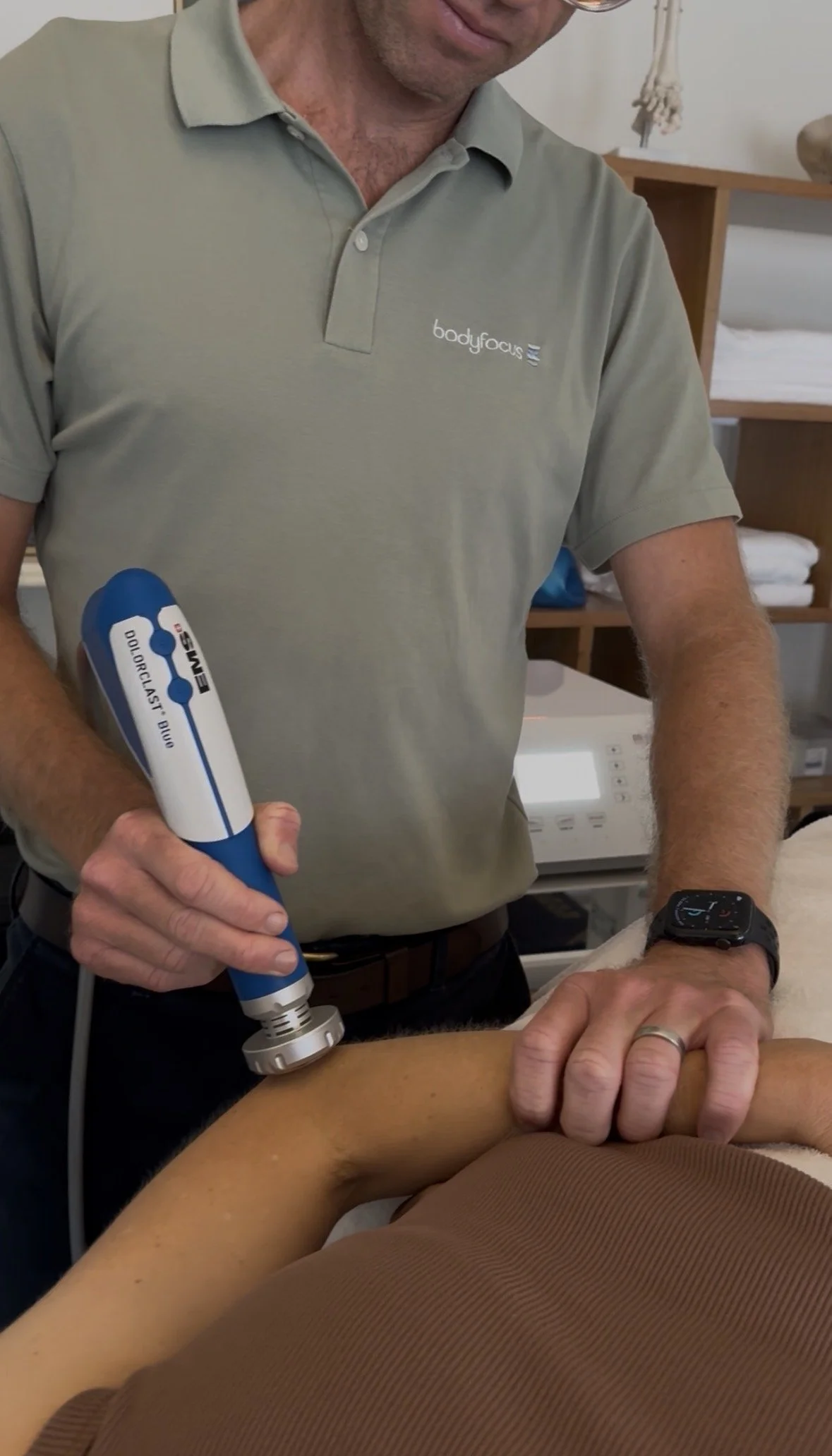
Treating lateral epicondylitis with RSWT helps overcome inconvenient symptoms in chronic cases and can bring remarkable benefits for patients in tendon healing and immediate pain relief! 

Sample Exercise Progression

Phase 1 (0–2 weeks): Isometric wrist extension holds 5 × 45s, twice daily.
Phase 2 (2–6 weeks): Eccentric wrist extensor exercises 3 × 10–15 reps, twice daily.
Phase 3 (6–12 weeks): Heavy slow resistance (3 × 8–12 reps), plus task-specific training.
Key takeaway

Tennis elbow is best managed through progressive exercise and load modification, not rest alone. Shockwave therapy has shown to be effective in persistent cases, particularly when combined with ongoing strengthening and ergonomic advice. With patience and consistent rehab, most people make a full recovery.

Need help with ongoing elbow pain? Book an appointment with one of our osteopaths at Bodyfocus for an individualised assessment and management plan.

Greater Trochanteric Pain Syndrome

Greater Trochanteric Pain Syndrome (GTPS) is a common cause of pain that affects the outer side of the hip. It is primarily caused by inflammation or irritation of the soft tissues that surround the greater trochanter, which is the bony prominence on the lateral (outer) aspect of the femur (thigh bone). The greater trochanter serves as the attachment site for several important muscles and tendons that stabilise and move the hip, including the gluteus medius, gluteus minimus, and the iliotibial band (ITB).

What is Greater Trochanteric Pain Syndrome (GTPS)?

Historically, it has been explained that lateral hip pain or pain over the greater trochanter was caused by inflammation of the trochanteric bursa. This simplistic view has been disputed and the condition is now being referred to as GTPS, as it is now considered that the pain is generated from both gluteal tendon pathology and the bursa.

GTPS encompasses a range of conditions that cause pain around the greater trochanter, including:

  • Gluteal Tendinopathy: Degeneration or inflammation of the gluteal tendons, particularly the gluteus medius and minimus, which are essential for hip stability and movement.

  • Trochanteric Bursitis: Inflammation of the bursa, a small fluid-filled sac that reduces friction between the tendons and the greater trochanter.

  • ITB Syndrome: Tightness or inflammation of the iliotibial band, a thick band of tissue that runs along the outside of the thigh and attaches to the greater trochanter.

Causes and Risk Factors

GTPS is often caused by repetitive stress or overuse of the hip muscles, leading to microtrauma in the tendons and bursa. Common risk factors include:

  • Overuse or repetitive movements: Activities like running, cycling, or standing for long periods can strain the hip structures.

  • Age: GTPS is more common in middle-aged and older adults, particularly women, due to age-related changes in the tendons.

  • Obesity: Increased body weight puts additional stress on the hip joints and tendons.

  • Hip Abductor Weakness: Weakness in the muscles that stabilise the hip can lead to abnormal movement patterns and increased strain on the tendons and bursa.

  • Previous Injury: A history of hip or lower limb injuries can predispose individuals to GTPS.

Symptoms of GTPS

GTPS is characterised by:

  • Lateral Hip Pain: A deep, aching pain on the outer side of the hip, often worsening with activities such as lying on the affected side, walking, climbing stairs, or getting out of a chair.

  • Tenderness: Pain on palpation over the greater trochanter.

  • Radiating Pain: The pain may radiate down the outer thigh to the knee but usually does not extend past the knee.

  • Morning Stiffness: Stiffness and discomfort in the hip, particularly after periods of inactivity, like getting out of the car or getting out of bed in the morning.

Diagnosis

Diagnosing GTPS involves a combination of clinical evaluation and imaging studies:

  • History: your Osteopath at Bodyfocus will take a thorough case history, to get an understanding of timeframes, what your symptoms are, and how it is affecting your quality of life.

  • Physical Examination: we will assess tenderness over the greater trochanter, test the strength of hip muscles, mobility of the hip joint, and evaluate the patient's gait.

  • Imaging: Ultrasound or MRI may be used to confirm the diagnosis and rule out other potential causes of hip pain, such as hip osteoarthritis, a hip labral tear or a lumbar spine pathology.

What is Shockwave Therapy (SWT)?

Shockwave Therapy involves the delivery of high intensity sound waves through a special handpiece.

What are the benefits?

  • Provides pain relief (often immediate)

  • Promotes tissue regeneration and repair (in the longer term)

The treatment initiates an inflammation-like process. The body responds by increasing the blood circulation and metabolism at the treatment area which in turn accelerates the body’s own healing processes. This increase in the blood flow within the affected area, stimulates cell regeneration and healing, and decreases local factors which can cause pain. The shockwaves also break down injured tissue and calcifications.

SWT is particularly effective in treating GTPS because it targets the underlying causes of pain, promoting long-term healing rather than just masking symptoms

Why Choose Shockwave Therapy with the EMS Dolorclast Device?

In Australia, SWT is becoming an increasingly popular treatment for GTPS due to its effectiveness and safety profile. The EMS Dolorclast Shockwave Therapy device is at the forefront of this technology, offering precise and powerful treatment that leads to significant improvements in pain and function.

Unlike surgical options, SWT is non-invasive and involves minimal downtime, allowing patients to return to their daily activities more quickly. It is also a good option for patients who have not responded to other treatments such as regular manual therapy, corticosteroid injections, or oral medications.

Studies have shown that SWT, particularly using the EMS Dolorclast device, can provide significant pain relief and improve function in patients with GTPS. Many patients experience a reduction in pain after just a few sessions, with continued improvement over the following weeks and months. The therapy is generally well-tolerated, with only mild side effects such as temporary redness or swelling at the treatment site.

What to Expect During Treatment

During an SWT session with Bodyfocus, your Osteopath will apply the EMS Dolorclast device to the painful area of the hip. The device delivers shockwaves that penetrate the skin and target the deeper tissues. Your session will be for 30 minutes, however, the SWT lasts for only 5 minutes. Most patients require 3-5 sessions spaced a week apart.

Patients may feel some discomfort during the treatment, however we make this as tolerable as possible, and the discomfort stops when the treatment stops.

Ideally, you have immediate pain relief. Your pain may return, however, over the 3-5 sessions, we expect 70-90% of patients to have resolution of their symptoms.

These benefits are also enhanced by strengthening or loading exercises to the hip stabilising musculature. You will be given a program to ensure the best health outcomes.

It's important to follow any post-treatment care instructions provided by your osteopath at Bodyfocus. 

Who Can Benefit from SWT?

SWT with the EMS Dolorclast device is suitable for most patients with GTPS, particularly those who have not responded to other treatments. However, it may not be recommended for individuals with certain medical conditions, such as blood clotting disorders, if you are taking blood thinning medication, have localised infections, have cancer or have recently recovered from cancer, if you have had a cortisone injection in the previous 6 weeks, or if you are pregnant. Your Osteopath at Bodyfocus will conduct a thorough assessment to determine if SWT is the right treatment option for you.

If you’re interested in learning more about getting relief from your greater trochanteric pain or the use of shockwave therapy, we would love to help you out. Please click here to book an appointment, or contact our friendly reception team on 6331 6225 to make an appointment.